


Coffee as One of the Biggest Sources of Antioxidants in Western Culture
by: Dumitru Dragos Mutascu - Physion Dynamics
More Than Just a Morning Ritual, It’s a Powerful Daily Dose of Disease-Fighting Compounds
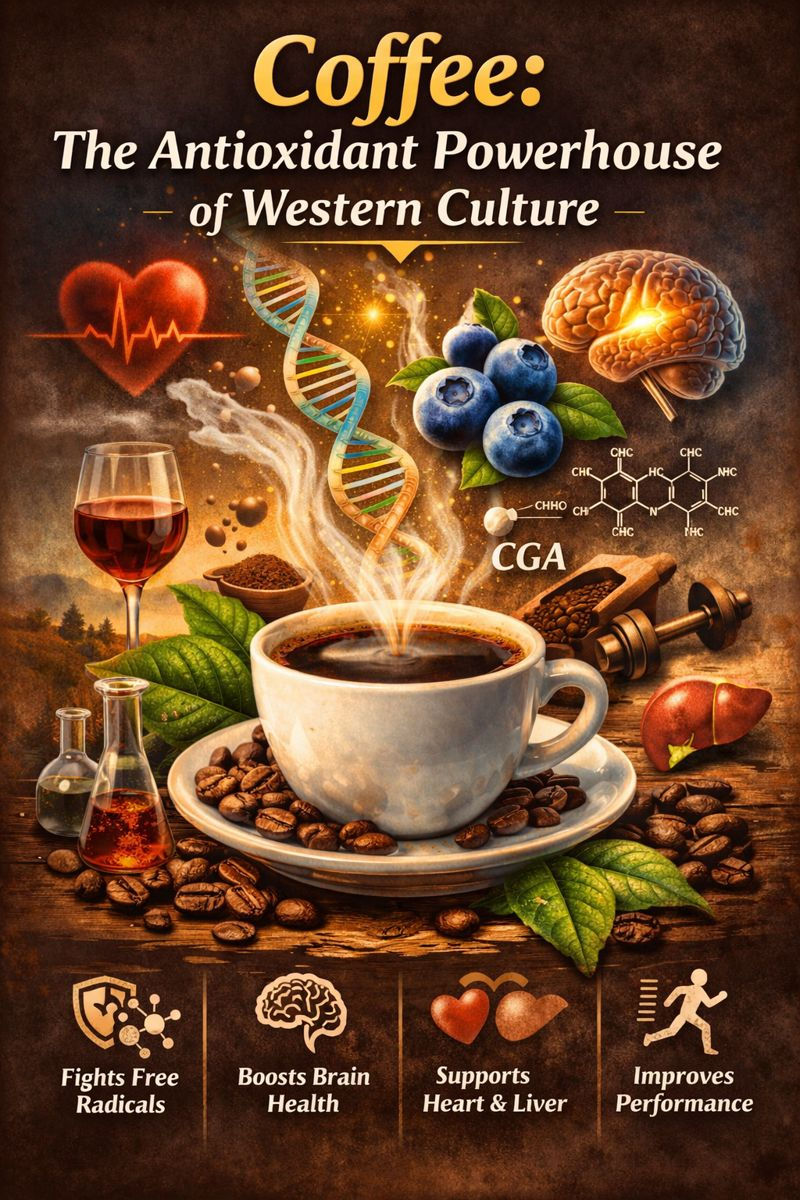
In the Western world, coffee isn’t just a morning pick-me-up. It’s culture, it’s comfort, and, according to growing scientific evidence, it’s a major source of antioxidants in the average person’s diet.
That’s right: your beloved cup of joe may be doing more than helping you function before 9 a.m. It might be protecting your body from chronic disease, inflammation, and premature aging.
But before we all start chugging cold brew like it’s holy water, let’s break down the real science behind why coffee is considered such a potent antioxidant powerhouse, and how much is actually healthy to drink.
What Are Antioxidants (And Why Should You Care)?
Antioxidants are molecules that fight oxidative stress in the body. This stress happens when free radicals, unstable oxygen molecules, accumulate and damage cells. Over time, oxidative stress contributes to aging, inflammation, and diseases like cancer, heart disease, and neurodegenerative conditions (like Alzheimer’s and Parkinson’s).
Antioxidants stabilize free radicals before they can cause damage, making them essential to your long-term health and cellular defense.
Coffee’s Antioxidant Power: What the Research Says
Multiple large-scale studies have confirmed that coffee is one of the highest contributors of antioxidants in the average Western diet, often even more than fruits and vegetables.
According to a landmark study published in the Journal of Nutrition (2004), coffee provided the single greatest source of dietary antioxidants among the 1,000+ participants studied in Norway. The average person consumed 1.3 liters of coffee daily, far more than other antioxidant-rich foods like berries, apples, or red wine.
Another U.S.-based study (American Journal of Clinical Nutrition, 2005) echoed the same: coffee accounted for 64% of total antioxidant intake in the average American adult.
Why? Simply put...people drink a lot of coffee. Even if berries have more antioxidants per gram, people don’t eat enough of them. But coffee? Coffee is a daily ritual.
Main compounds behind the magic:
Chlorogenic acids – Polyphenols found in high concentration in coffee beans.
Melanoidins – Formed during roasting; have antioxidant and anti-inflammatory properties.
Cafestol and Kahweol – Diterpenes that may contribute to antioxidant activity (though they also raise cholesterol in unfiltered coffee).
How Much Coffee Is “Healthy”?
You can have too much of a good thing. High caffeine intake can spike blood pressure, cause anxiety, disrupt sleep, and irritate the gut.
What’s the sweet spot? Most studies show that 3–5 cups per day (approx. 400 mg of caffeine) is the range associated with health benefits, including reduced risks of:
Type 2 diabetes
Cardiovascular disease
Certain cancers (e.g., liver and colorectal)
Parkinson’s and Alzheimer’s
A 2021 umbrella review in Nutrients found that moderate coffee consumption (3–4 cups per day) was consistently linked to lower all-cause mortality and disease risk. But exceeding 6+ cups daily? That’s when the risk/benefit scale can start to tip, especially for individuals with hypertension or anxiety disorders.
Coffee vs. Other Antioxidant Sources: A Surprising Comparison
Food / Beverage | Total Antioxidant Capacity (per serving) |
Brewed Coffee (8 oz) | 200–550 mg GAEs* |
Blueberries (100g) | 400–600 mg GAEs |
Green Tea (8 oz) | 150–250 mg GAEs |
Red Wine (5 oz) | 200–300 mg GAEs |
(*GAE = gallic acid equivalents, a common measurement of antioxidant content)
Notice how close coffee is to superfoods like blueberries? Now multiply that by 2–4 cups a day, and you see why coffee dominates.
Does Roasting Affect Antioxidants?
Yes, and it’s a bit of a trade-off.
Light roast coffee contains more chlorogenic acids (since they degrade with heat).
Dark roast contains more melanoidins (created during roasting, offering their own antioxidant benefits).
Bottom line: both light and dark roasts offer antioxidant value, but in slightly different ways.
The Hidden Benefits Beyond Antioxidants
Coffee doesn’t just fight free radicals. Research also links moderate coffee consumption to:
Improved cognitive function and memory
Boosted athletic performance
Lower risk of depression
Liver protection (especially in those with fatty liver or alcohol use)
Gut motility and better bowel regularity (don’t lie, you know…)
What About the Downsides?
Let’s not sugarcoat it, literally. Coffee's benefits are often wiped out by sugary syrups, heavy creams, or poor sleep hygiene. Here’s how to maximize benefits:
✅ Stick to black coffee or add a splash of milk
✅ Avoid excessive sugar or artificial creamers
✅ Drink it before 2 p.m. if caffeine affects your sleep
✅ Rotate between filtered and espresso-based options to moderate cholesterol concerns
✅ Stay hydrated — caffeine is a mild diuretic
Coffee Culture: More Than a Drink
Coffee has become a cornerstone of culture, identity, and community across North America and Europe. The ritual of drinking coffee, whether alone at sunrise or with friends at a café, contributes to its mental health benefits, not just its biochemistry.
And when it’s part of a whole-foods-based, active lifestyle? Coffee becomes one more tool in your longevity toolkit.
Final Sips
If you're living in North America, there's a good chance that coffee is your number one source of antioxidants, whether you realize it or not. That doesn't mean ditching fruits and veggies. But it does mean that your morning brew isn’t just a habit. It’s health fuel.
Just remember: moderation, clean ingredients, and smart timing are key. Now go forth, sip strong, and let those antioxidants work their magic.
Peer-Reviewed References:
Svilaas A, et al. Intake of antioxidants in coffee, wine, and vegetables. J Nutr. 2004.
Nettleton JA, et al. Dietary antioxidants in U.S. adults. Am J Clin Nutr. 2005.
Poole R, et al. Coffee consumption and health: umbrella review of meta-analyses of multiple health outcomes. BMJ. 2017.
Jeszka-Skowron M, et al. The content of antioxidant compounds in roasted coffee. Food Chem. 2015.
Grosso G, et al. Coffee consumption and risk of all-cause mortality. Eur J Epidemiol. 2016.

Comments